

Why the End of a Meal Matters More Than You Think
The final moments of a meal play a crucial role in digestion, sensory balance, and overall dining satisfaction. Here’s why how you end a meal matters.

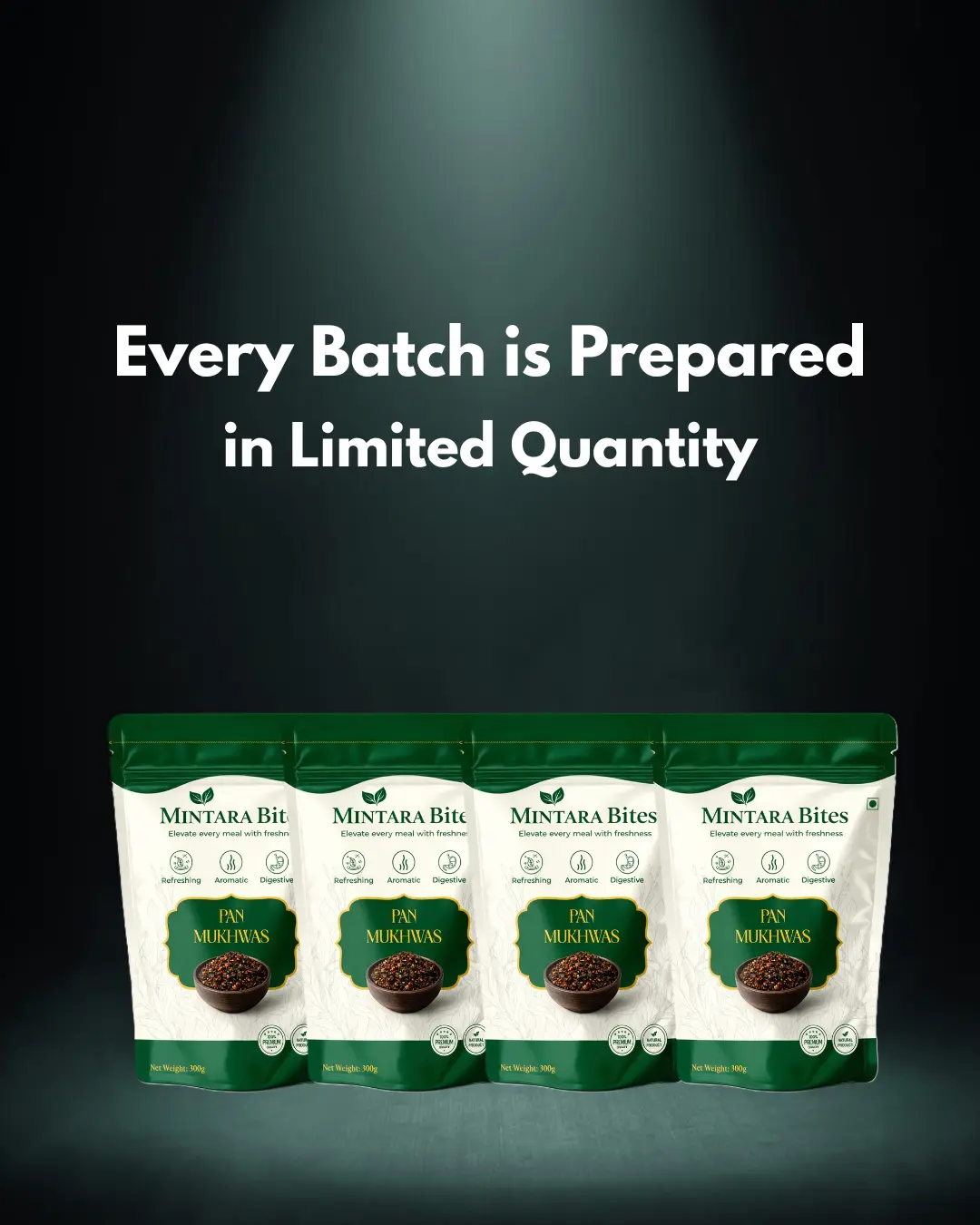

Mintara is not designed to overwhelm the palate — it exists to gently signal completion, balance, and calm at the end of a meal.
Most people think of meals as beginning with appetite and ending when the plate is empty.
In reality, how a meal ends often matters just as much as how it begins.
Across cultures and centuries, thoughtful dining traditions have recognised that the final moments of a meal play a key role in digestion, sensory balance, and overall satisfaction. When those moments are rushed, overstimulating, or ignored, the dining experience feels incomplete — even if the food itself was excellent.
Understanding the importance of meal closure reveals why subtle after-meal rituals have endured for generations.
Meals Are Experiences, Not Just Consumption
Eating is not a purely mechanical act. It engages:
- Taste
- Smell
- Texture
- Temperature
- Emotional response
A meal unfolds in stages — anticipation, enjoyment, and resolution.
When the final stage is missing or poorly handled, the experience feels unresolved.
Just as music needs a final note and stories need endings, meals benefit from intentional closure.
The Role of the Palate After Eating
During a meal, the palate is exposed to:
- Complex flavours
- Oils and spices
- Sweet, salty, and savoury notes
Without a proper conclusion, these flavours linger unevenly. This can leave the mouth feeling heavy, cluttered, or overstimulated.
A thoughtful end to a meal allows the palate to:
- Reset
- Cleanse gently
- Return to balance
This is why many traditional cuisines include after-meal elements that are light, aromatic, and calming rather than intense.
Digestion Begins with Sensory Signals
Digestion is influenced not only by what we eat, but also by how the body perceives the meal ending.
The nervous system responds to sensory cues:
- Calm signals support digestion
- Overstimulation can interfere with it
When a meal ends abruptly — for example, with overly strong flavours or immediate distractions — the body receives mixed signals. In contrast, a gentle, composed finish helps the digestive process transition smoothly.
This is why cultures that prioritise digestive comfort often emphasise balance over intensity at the end of meals.
Why Overstimulating Endings Feel Unsatisfying
Many modern eating habits end meals with:
- Excessive sweetness
- Sharp artificial flavours
- Strong lingering aftertastes
While these may feel stimulating in the moment, they often overpower the palate rather than resolve it. The result is sensory fatigue instead of satisfaction.
True satisfaction comes from resolution, not escalation.
A well-ended meal feels complete. There is no urge to chase another flavour or sensation.
Cultural Wisdom Around Meal Closure
Across Indian, Middle Eastern, East Asian, and Mediterranean traditions, after-meal practices have long existed to support closure.
These practices share common traits:
- Subtle flavours
- Aromatic freshness
- Lightness
- Intentional timing
They are not meant to compete with the meal, but to gently conclude it.
Such traditions highlight an important insight:
what comes after the meal is still part of the meal.
The Psychological Comfort of Closure
Beyond digestion, the end of a meal affects mental satisfaction.
When meals conclude calmly:
- The mind registers completion
- The body relaxes
- Cravings decrease
- Eating feels intentional rather than impulsive
This sense of closure contributes to healthier food relationships over time. It reduces the tendency to snack mindlessly or seek unnecessary stimulation after eating.
Modern Eating Has Lost the Pause
In fast-paced lifestyles, meals often end without pause:
- Screens replace awareness
- Strong flavours replace balance
- Speed replaces reflection
Reintroducing even a brief moment of calm at the end of a meal can significantly improve how the meal feels — both physically and mentally.
It does not require elaborate rituals. It simply requires intent.
Balance Over Intensity: A Better Way to Finish
The most effective meal endings share a common principle:
Nothing should dominate.
Light, balanced after-meal choices support:
- Digestive comfort
- Clean mouthfeel
- Sensory harmony
- Emotional satisfaction
They respect the meal instead of overshadowing it.
Why This Matters More Today Than Ever
As food becomes more accessible and flavour intensity increases, the risk of sensory overload grows.
Thoughtful endings help restore equilibrium. They remind us that eating well is not about more — it is about balance.
In this sense, how a meal ends reflects how thoughtfully it was approached.
Final Thoughts
The end of a meal is not an afterthought.
It is the moment that determines whether the experience feels complete.
By paying attention to how meals conclude — through balance, calm, and intention — we honour both tradition and well-being.
When meals end well, digestion feels lighter, satisfaction lasts longer, and eating becomes a more mindful, refined experience.
Sometimes, the most important part of a meal is not the first bite —
but the last moment after it.
Frequently Asked Questions
Why is the end of a meal important?+
The end of a meal signals completion to the body and senses, helping digestion, sensory balance, and overall satisfaction.
What helps properly conclude a meal?+
Light, balanced after-meal practices such as palate cleansing, gentle flavours, and mindful pauses help conclude a meal effectively.
Is digestion affected by how a meal ends?+
Yes. Abrupt or overly intense endings can disrupt digestion, while calm, balanced finishes support comfort and closure.