

From Home Kitchens to Modern Tables: The Evolution of Mukhwas
Explore how mukhwas evolved from handcrafted after-meal traditions in Indian homes to refined, modern dining rituals seen today.
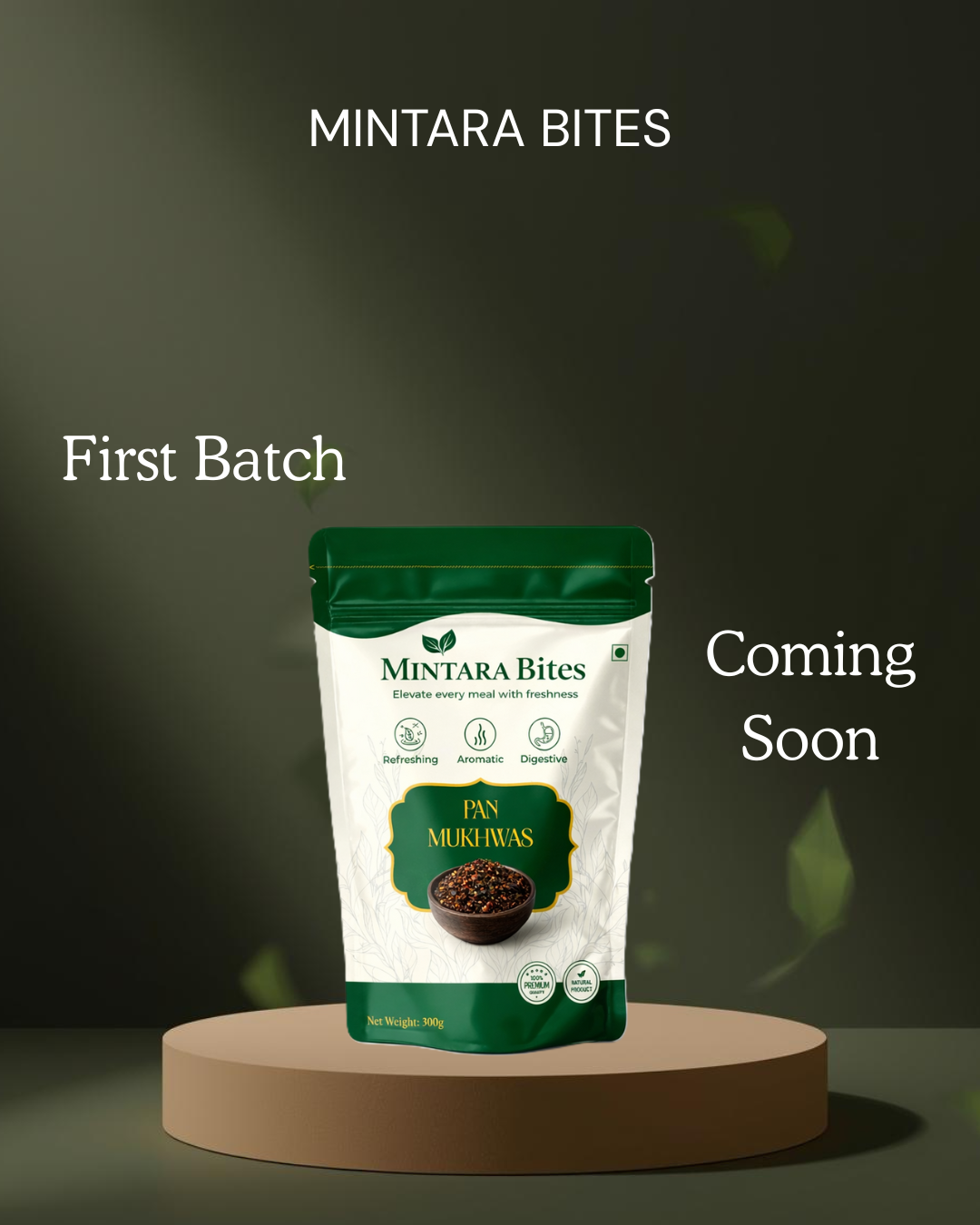
Mintara is not designed to overwhelm the palate — it exists to gently signal completion, balance, and calm at the end of a meal.
Long before mukhwas appeared in neatly packaged containers or restaurant counters, it existed quietly in home kitchens.
Prepared with care, served with intention, and passed down through generations, mukhwas was never just an afterthought. It was a reflection of how Indian dining traditions valued completion, balance, and hospitality.
Understanding how mukhwas evolved from home kitchens to modern tables offers insight into why it continues to hold relevance today.
Mukhwas in Traditional Indian Homes
In traditional households, mukhwas was often prepared at home using ingredients readily available in the kitchen.
These preparations varied by region and family, but the intent remained the same:
- To refresh the palate
- To settle the senses after eating
- To mark the end of a meal
Mukhwas was typically stored in small containers and offered after lunch or dinner, especially when guests were present. The act of serving it was as important as the preparation itself.
It signalled care, thoughtfulness, and respect for the dining experience.
A Ritual, Not a Recipe
Unlike everyday dishes, mukhwas was not governed by strict recipes. It was shaped by intuition, experience, and preference.
Home cooks understood balance instinctively:
- Sweetness was restrained
- Aroma was gentle
- Portions were small
The goal was never to impress with intensity, but to provide closure.
This flexibility allowed mukhwas to adapt across households while maintaining its essential role.
Regional Influences and Variations
As with most Indian food traditions, mukhwas evolved differently across regions.
Some versions leaned toward aromatic freshness, others toward subtle sweetness. Certain preparations emphasized texture, while others focused on fragrance.
Despite these variations, all traditional mukhwas shared common characteristics:
- Lightness
- Balance
- Respect for the meal that preceded it
This universality highlights how deeply ingrained the concept of after-meal closure was in everyday life.
The Shift from Home to Public Dining
As dining habits changed and eating outside the home became more common, mukhwas moved from kitchens to restaurants, celebrations, and communal settings.
Large meals, weddings, and festive gatherings often featured mukhwas as part of the dining ritual. Small bowls placed near exits or servers offering it by hand became familiar sights.
This shift reinforced mukhwas as a symbol of hospitality, extending the values of home cooking into public spaces.
Industrialization and Changing Lifestyles
With urbanisation and busier lifestyles, fewer households had the time to prepare mukhwas at home.
At the same time, demand grew for consistency and convenience. This led to the gradual introduction of commercially prepared mukhwas.
While this transition made mukhwas more accessible, it also introduced challenges:
- Loss of subtlety
- Overemphasis on flavour strength
- Reduced focus on balance
Some modern interpretations began prioritizing impact over intention.
The Risk of Losing Refinement
As mukhwas entered mass markets, it was sometimes grouped with general mouth fresheners, blurring its original purpose.
In these cases, intensity replaced restraint. Strong flavours and long-lasting aftertastes overshadowed the traditional goal of gentle closure.
This shift highlighted an important truth: not all evolution preserves essence.
Rediscovering the Original Purpose
In recent years, there has been renewed interest in mindful eating, balance, and intentional dining.
As people reassess how they eat and why, traditional practices like mukhwas are being rediscovered — not as nostalgia, but as functional wisdom.
Modern diners increasingly appreciate:
- Subtlety over excess
- Experience over stimulation
- Ritual over habit
This has created space for mukhwas to return to its original role, adapted thoughtfully for contemporary life.
Mukhwas at the Modern Table
Today’s refined interpretations of mukhwas aim to bridge past and present.
They take inspiration from:
- Home kitchen traditions
- Cultural hospitality
- Sensory balance
While ensuring:
- Consistency
- Hygiene
- Elegant presentation
The result is a mukhwas that feels familiar yet relevant — respectful of tradition without being dated.
Why the Evolution Matters
The journey of mukhwas reflects a broader pattern in food culture.
Practices that endure do so because they serve a purpose beyond taste. They address human needs for rhythm, closure, and balance.
By understanding where mukhwas comes from, we better understand why it still belongs at the table today.
A Living Tradition
Mukhwas is not frozen in time. It continues to evolve as dining habits change.
What remains constant is its intent:
- To gently end a meal
- To refresh without overwhelming
- To honour the dining experience
When these principles are respected, mukhwas remains timeless.
Final Thoughts
From modest home kitchens to contemporary dining spaces, mukhwas has travelled a long path.
Its evolution tells a story of tradition adapting to modern life — sometimes imperfectly, but always with relevance.
In an age of fast consumption and strong sensations, mukhwas offers a reminder:
the most refined experiences are often the quietest ones.
By preserving its core purpose while embracing thoughtful evolution, mukhwas continues to earn its place at the modern table.
Frequently Asked Questions
What is the origin of mukhwas?+
Mukhwas originated in Indian households as a homemade after-meal preparation designed to refresh the palate and gently conclude meals.
How has mukhwas changed over time?+
Mukhwas has evolved from simple, home-prepared mixes to refined, consistent products suited for modern dining while retaining its traditional purpose.
Is mukhwas still relevant today?+
Yes. Modern dining increasingly values balance and mindful eating, making mukhwas as relevant today as it was historically.
Next article
How After-Meal Rituals Influence Digestion and Dining Satisfaction